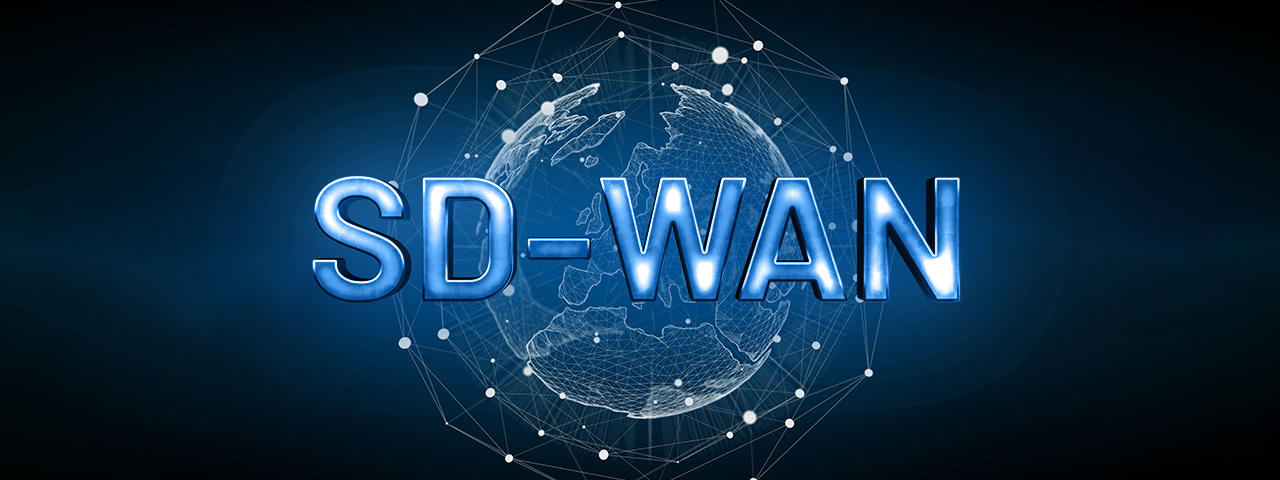
A Software-Defined Wide Area Network (SD-WAN) is a networking technology that leverages software-defined networking (SDN) principles to enhance WAN performance. Understanding the differences between SD-WAN and SDN can help organizations choose the right architecture for their needs, ensuring both performance optimization and simplified management. SD-WANs provide secure, reliable, and scalable connectivity across various locations while centralizing management and visibility over the network.
The traditional WAN (wide-area network) function was to connect users at the branch or campus to applications hosted on servers in the data center. Typically, dedicated MPLS circuits were used to help ensure security and reliable connectivity.
This has driven Software-defined WAN (SD-WAN) solutions to become increasingly popular as organizations request fast, scalable, and flexible connectivity among different network environments.
They also seek to lower the overall total cost of ownership (TCO) while delivering enhanced application performance. But a subpar SD-WAN approach can significantly inhibit an organization’s ability to quickly adapt to changing business demands, especially if it does not offer integrated security.
How does SD WAN works ?
SD-WAN modernizes WAN architecture by virtualizing connectivity. It intelligently routes traffic across multiple connection types, including MPLS, broadband internet, and LTE. This optimizes network performance and ensures reliable access to critical applications. SD-WAN leverages a centralized control plane, simplifying network management.
This software-defined architecture enables administrators to define and enforce policies across the entire network in real-time.
Security is also enhanced through integrated features like next-generation firewalls and intrusion prevention systems. This protects against evolving cyber threats and safeguards sensitive data. With SD-WAN, businesses can achieve higher performance, improved security, and simplified management, all while lowering SD-WAN cost compared to traditional WAN approaches.
Get In Touch With Us
Oystel Communication
Delivering business outcomes through digitization. Choose from our wide portfolio of offerings